FENCING SPORT

What is Fencing?

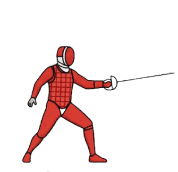
Fencing has taken part in Olympics since 1896. Fencing is often called “Physical Chess” because it requires both quick reflexes and deep strategy. One of the highest in combat sports, with 36 Olympic medal events for men (Individual/Team) and women (Individual/Team) across 3 weapon categories). It is one of the five sports that has been featured in every modern Olympic Games and widely practiced in over 150 countries with strong participation in Europe, Asia, and America. Fencing is practiced by people of all age groups from young children to seniors. Paralympic division (Wheelchair Fencing) supportsdisabled athletes to fulfill their dreams. It builds confidence, focus, coordination, discipline, strategic thinking and overall anideal activity for students.Fencing is one of the fastest growing sports in INDIA. Fencing is a fast, athleticsport, a farcryfrom choreographed bouts you see on film or on the stage.  Instead of swinging from a chandelier or leaping from balconies, you will see two fencers performing an intense dance on a six-feet-by-forty five-feet Strip. The movements are so fast that points (hits and touches) are scored electronically.
Three Fencing Disciplines

Foil

- Target area: Torso
- Points scored with blade tip
- Right-of-way rule applies

Epee

- Target area: Entire body
- No priority rules
- First hit scores

Sabre

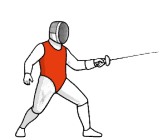
- Target area: Above the waist
- Fast-paced discipline
- Tip and edge scoring

FENCING - SAFE SPORT

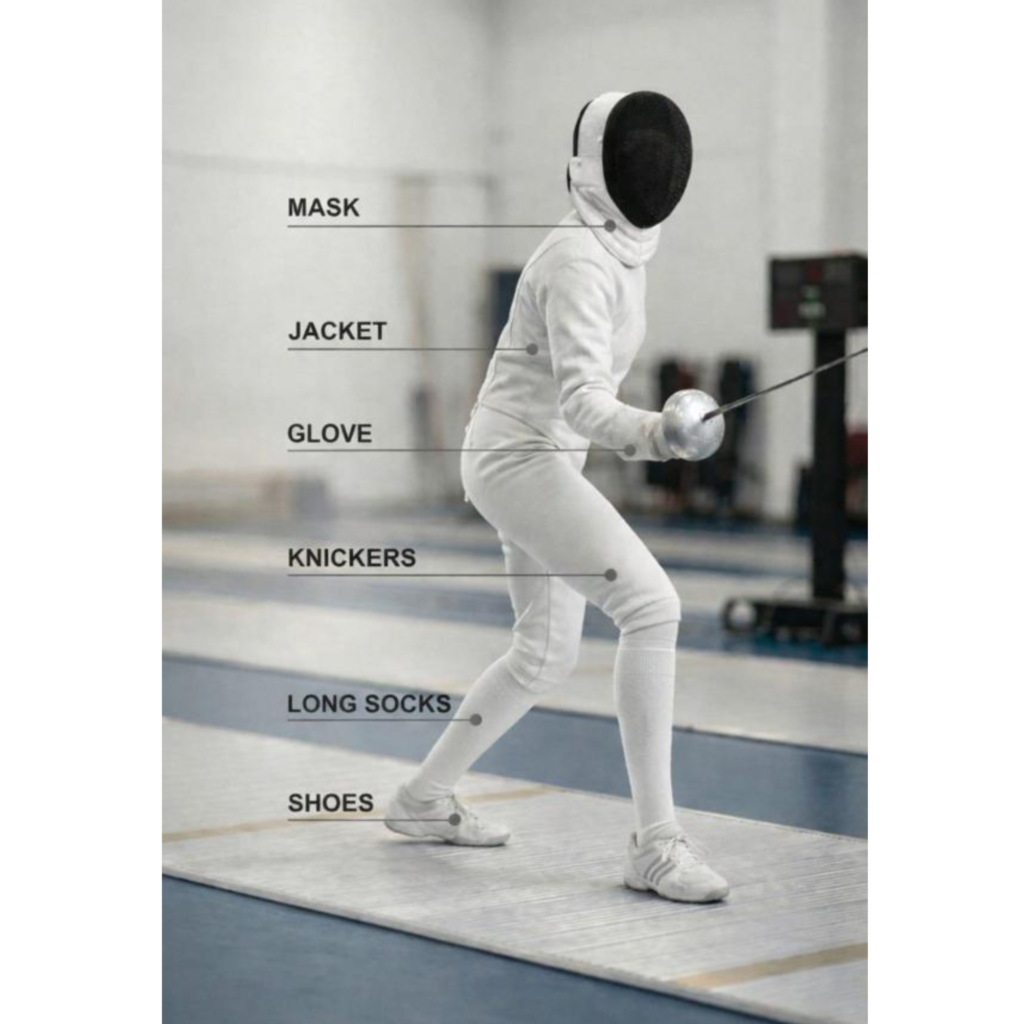
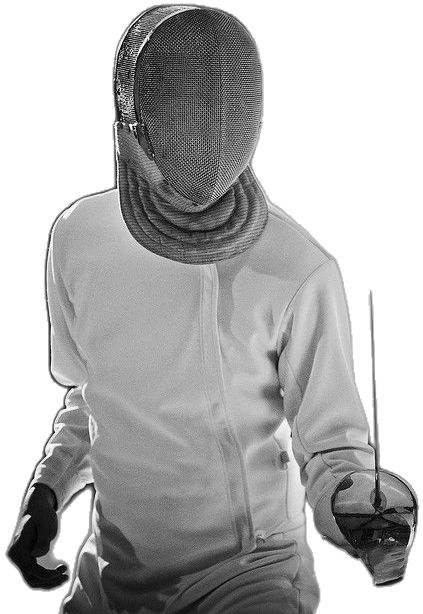
Despite the fact of being a combat sport, fencing is a very safe and unique classic sport. The fencing game itself is designed in a way that safeguards the playee.

BENEFITS OF LEARNING FENCING

AN EXCELLENT PHYSICAL ACTIVITY

A typical fencing practice will burn between 420 to 700 kcal/h, depending uponthe intensity. A great sport activity  in which fencers learn to hone their strategies against opponents of various skill levels and build up physical endurance, agility and accuracy.

STRENGTHENS HEART MUSCLES

Excellent cardio exercise which prevents raising glucose levels, reduces triglycerides, lowers blood pressure and also increases oxygen flow to the brain.

TEAM SPIRIT​

Fencers typically learn to compete individually as well as in teams & learn how to celebrate victory and accept defeat as well as fostering respect for opponents.

BEHAVIOURAL IMPACT​

Improves self-control and the ability to funnel aggresivity, helps to overcome physical and psychological tensions. It also contributes to reduce stress levels and frustrations.

MENTAL AGILITY & FLEXIBILITY

Learning, efficiency, memory, power and attentiveness improve significantly. Great impact on development of abstract thinking as you learn to combine speed, distance, depth, strength and timing. Also develops good hand and eye co-ordination, balance and quick reflexes.

DISCIPLINE

Fencing stimulates speed, balance, mental focus and coordination. It is also a great tool to teach fair play and self-discipline. Confidence and sportsmanship are gained through participation in fencing and extend throughout other areas of life as well.

SUITABLE FOR ALL AGE GROUP

Fencing classes are designedspecially for various age groups, including both children and adults ranging from 4 to 65 years of age.